

Tour overview
The 4-Day Inca Trail is the most complete and rewarding way to reach Machu Picchu. Over four days you walk the same stone paths the Incas used, cross passes above 4,000 meters, hike through cloud forest and discover ruins you can only reach on foot, before walking through the Sun Gate at sunrise. At Magone Viajes we take care of everything: permits, guide, cook, porters, campsites, meals, train and your Machu Picchu ticket. All you have to do is walk and enjoy it.
-
Best time to travel April to October
-
Maximum altitude 4,215 m / 13,828 ft (Dead Woman's Pass)
-
Physical difficulty Challenging (about 42 km / 26 miles over 4 days, with steep climbs and descents)
-
Minimum number of passengers 2 adults
-
Maximum number of passengers 12 adults
-
Booking lead time 4 to 6 months in advance (permits are limited)
-
Permits Required and issued by name; you'll need your passport details to book
Highlights
- The classic Inca Trail route: about 42 km (26 miles) over 4 days, with three nights of camping.
- Sites: Patallacta, Runkurakay, Sayacmarca, Phuyupatamarca, Intipata, Wiñay Wayna, the Sun Gate and Machu Picchu.
- Perfect for fit travelers who want to experience South America's most famous trek.
- Duration: 4 days and 3 nights, with 6 to 9 hours of hiking per day.
- Price on request per person, with permits, camping, meals, train and Machu Picchu entrance included.
Itinerary
Day 1: Cusco – Km 82 – Patallacta – Wayllabamba
Pickup and drive to Km 82
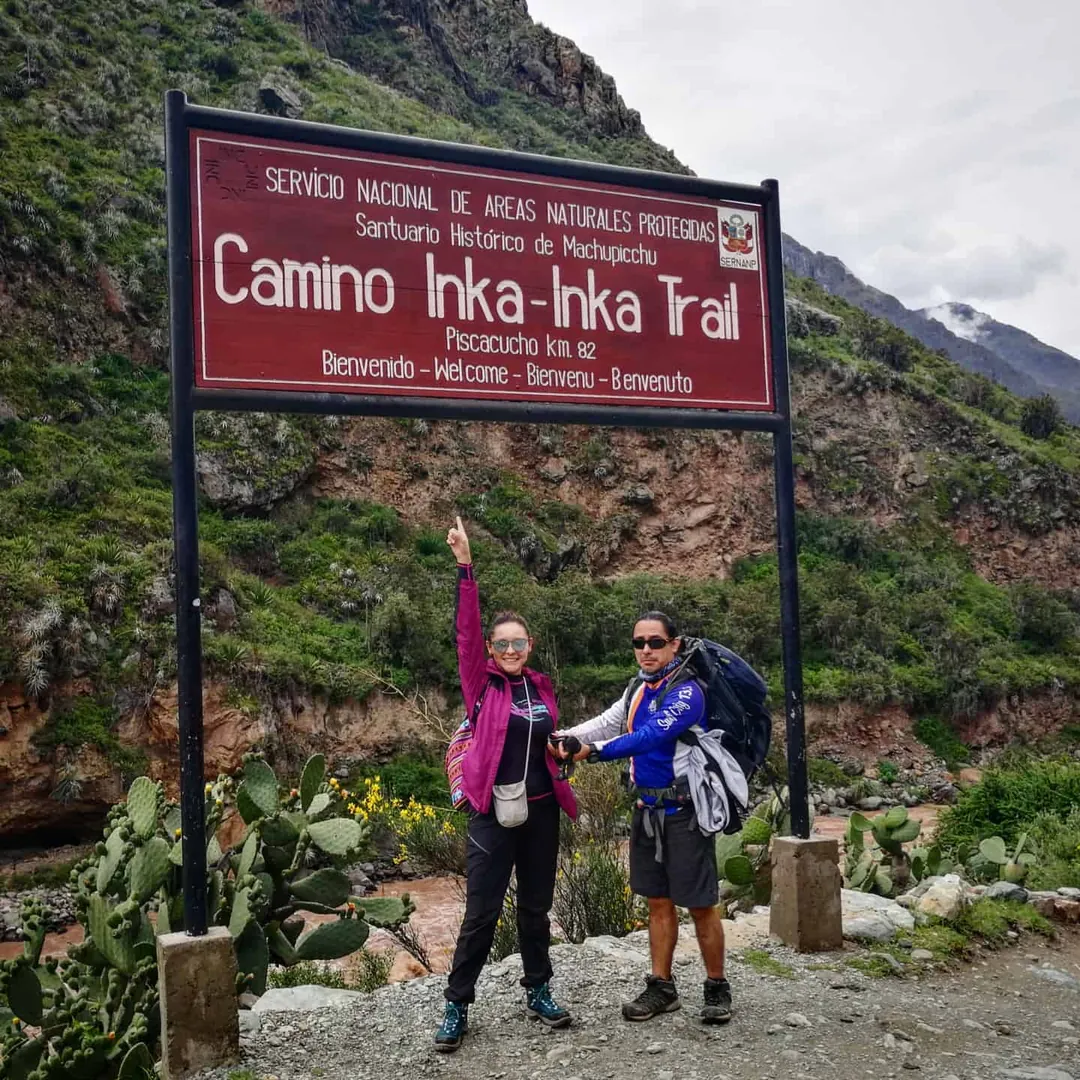
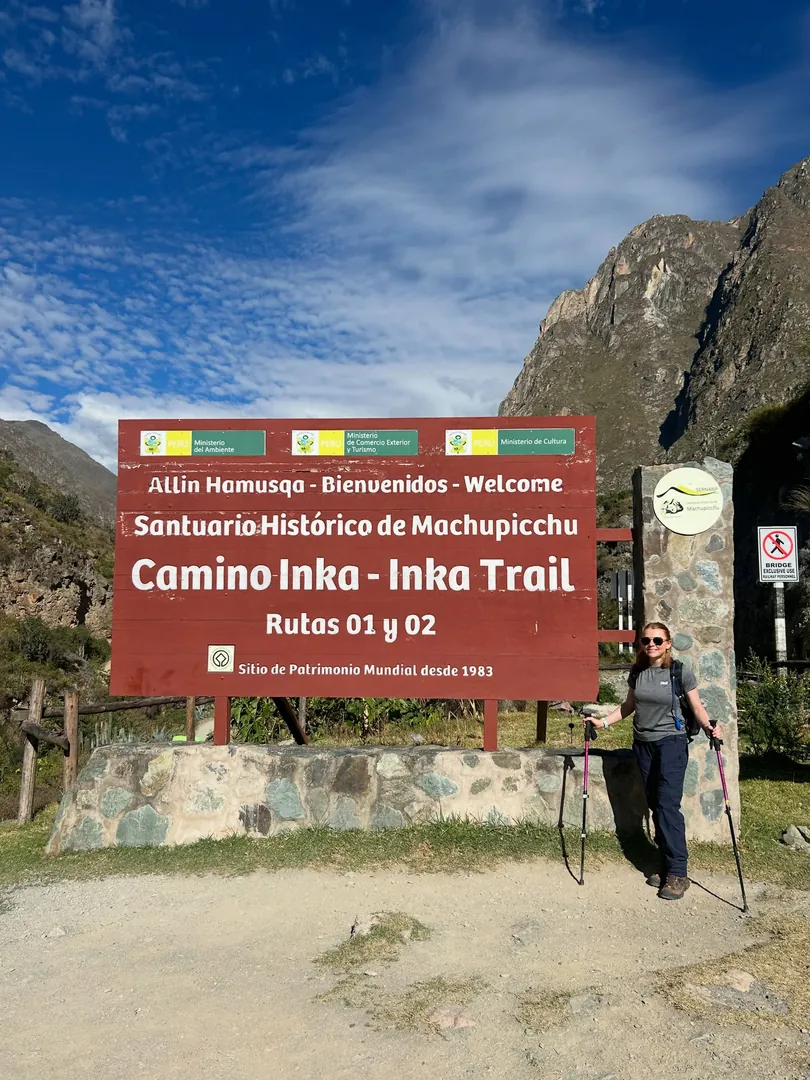
We pick you up from your Cusco hotel early in the morning and drive through the Sacred Valley to Piscacucho, at Kilometer 82, where the Inca Trail begins. Park rangers check permits and passports here.
First miles and Patallacta
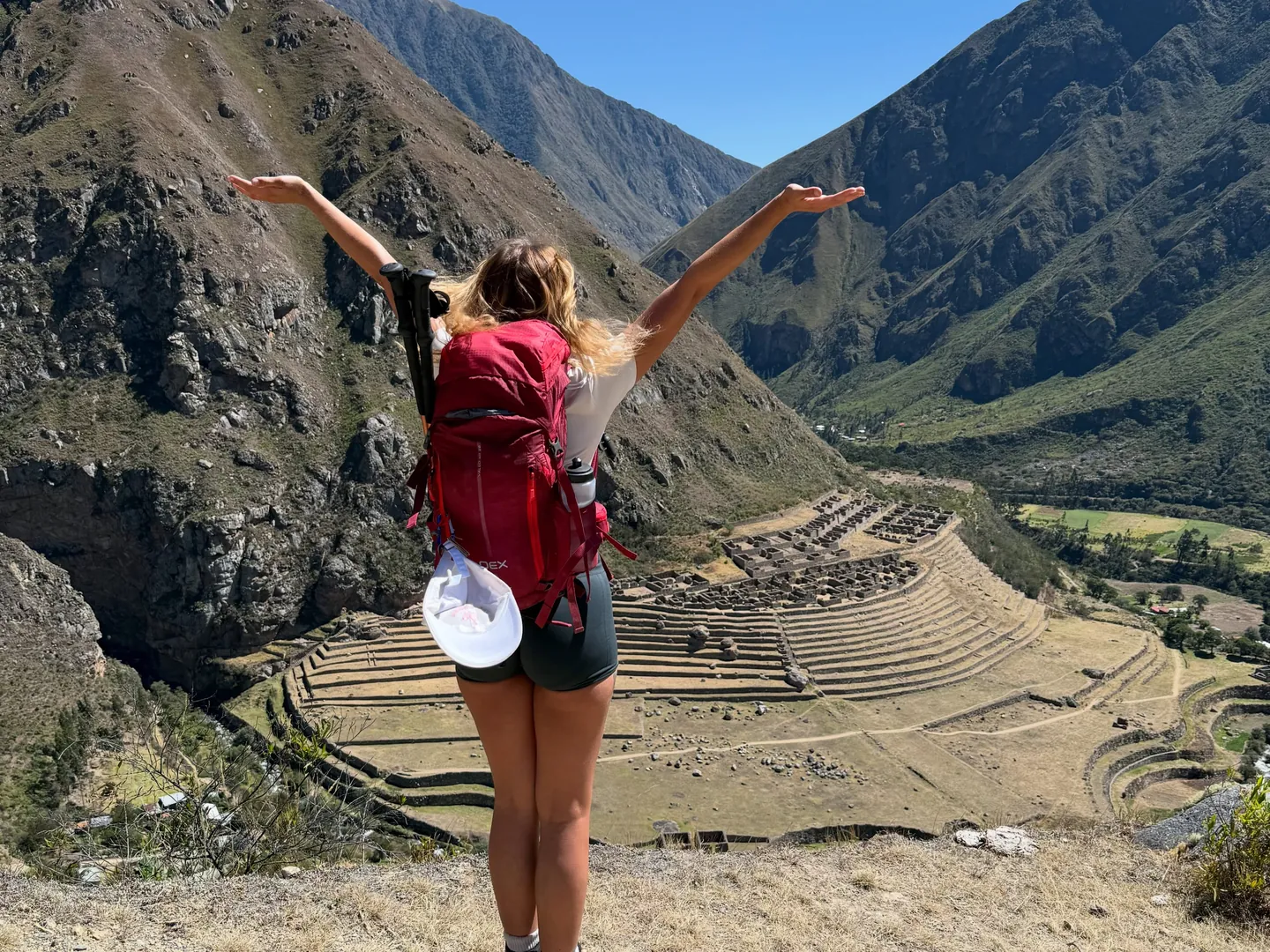
Day one is the easiest. We follow the Urubamba River on mostly flat terrain to the Patallacta lookout (also called Llactapata), a large Inca farming complex. Your Magone Viajes guide shares the history of the trail and the communities that still live along it.
Camp near Wayllabamba
In the afternoon we reach camp near Wayllabamba, at about 3,000 m (9,840 ft). The porters have the tents set up and the cook prepares dinner. About 12 km (7.5 miles) of hiking.
Day 2: Wayllabamba – Dead Woman's Pass – Pacaymayo
Climb to Dead Woman's Pass
This is the toughest day of the trek. We climb steadily through native forest and high grasslands to Warmiwañusca, known as Dead Woman's Pass, at 4,215 m (13,828 ft), the highest point on the Inca Trail. The view from the top makes every step worth it.
Descent to Pacaymayo
From the pass we head down long stone staircases to the Pacaymayo valley, where we camp at about 3,600 m (11,800 ft). We arrive by mid-afternoon to rest. About 11 km (7 miles) of hiking.
Day 3: Pacaymayo – Runkurakay – Sayacmarca – Phuyupatamarca – Wiñay Wayna
Runkurakay and Sayacmarca
We start by climbing to the second pass, near Runkurakay, a small round structure that once served as a resting post. Then we descend to Sayacmarca, a citadel perched on a cliff with sweeping mountain views.
Phuyupatamarca
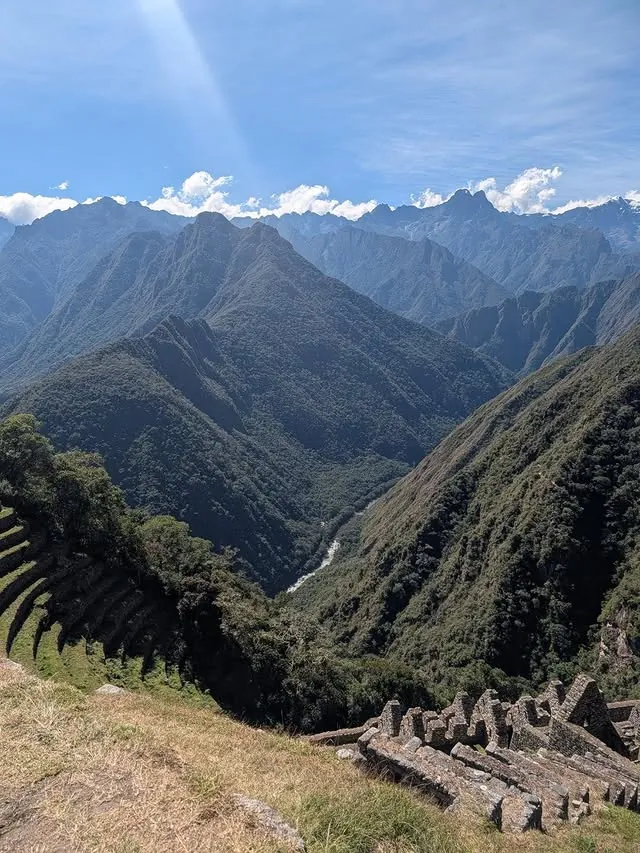
We continue along one of the most beautiful and best-preserved sections of the trail, through cloud forest, to Phuyupatamarca ("town above the clouds"), with ceremonial fountains and views of snowcapped peaks.
Intipata and Wiñay Wayna
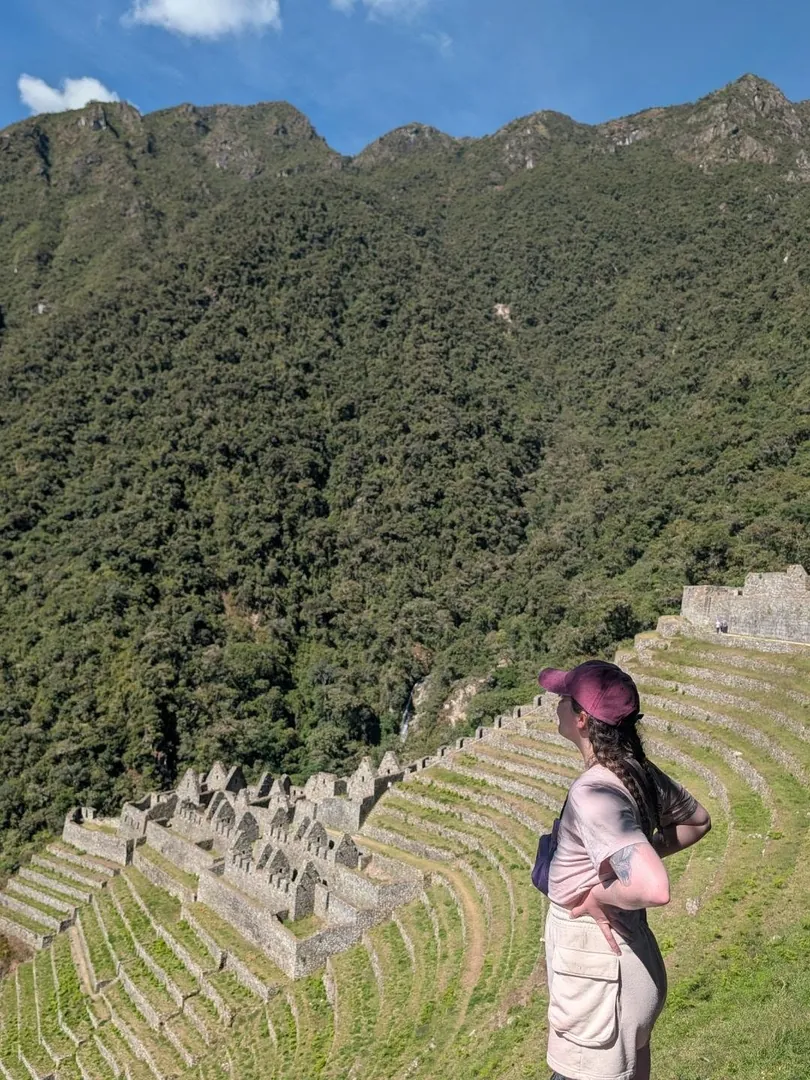
Long stone staircases lead down to the terraces of Intipata and then to Wiñay Wayna ("forever young"), one of the most impressive sites on the trek. We camp nearby at about 2,650 m (8,700 ft). It's the longest day, about 16 km (10 miles), but also the richest in scenery and ruins.
Day 4: Wiñay Wayna – Sun Gate – Machu Picchu – Cusco
Sunrise at the Sun Gate
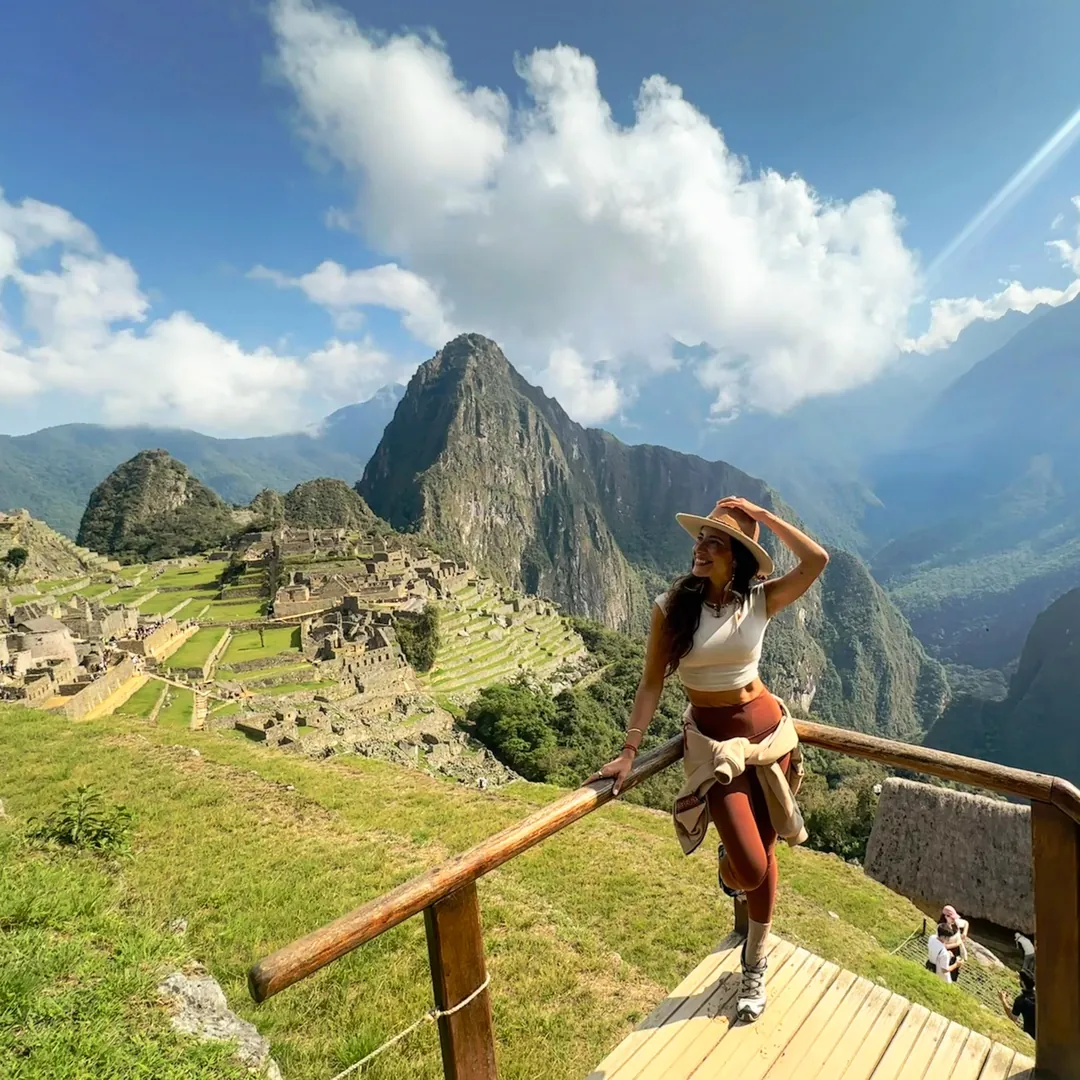
We wake up before dawn and hike the final hour to Inti Punku, the Sun Gate. From there you see Machu Picchu for the first time, often in the first light of day. It's the moment everyone has been waiting for.
Guided tour of Machu Picchu
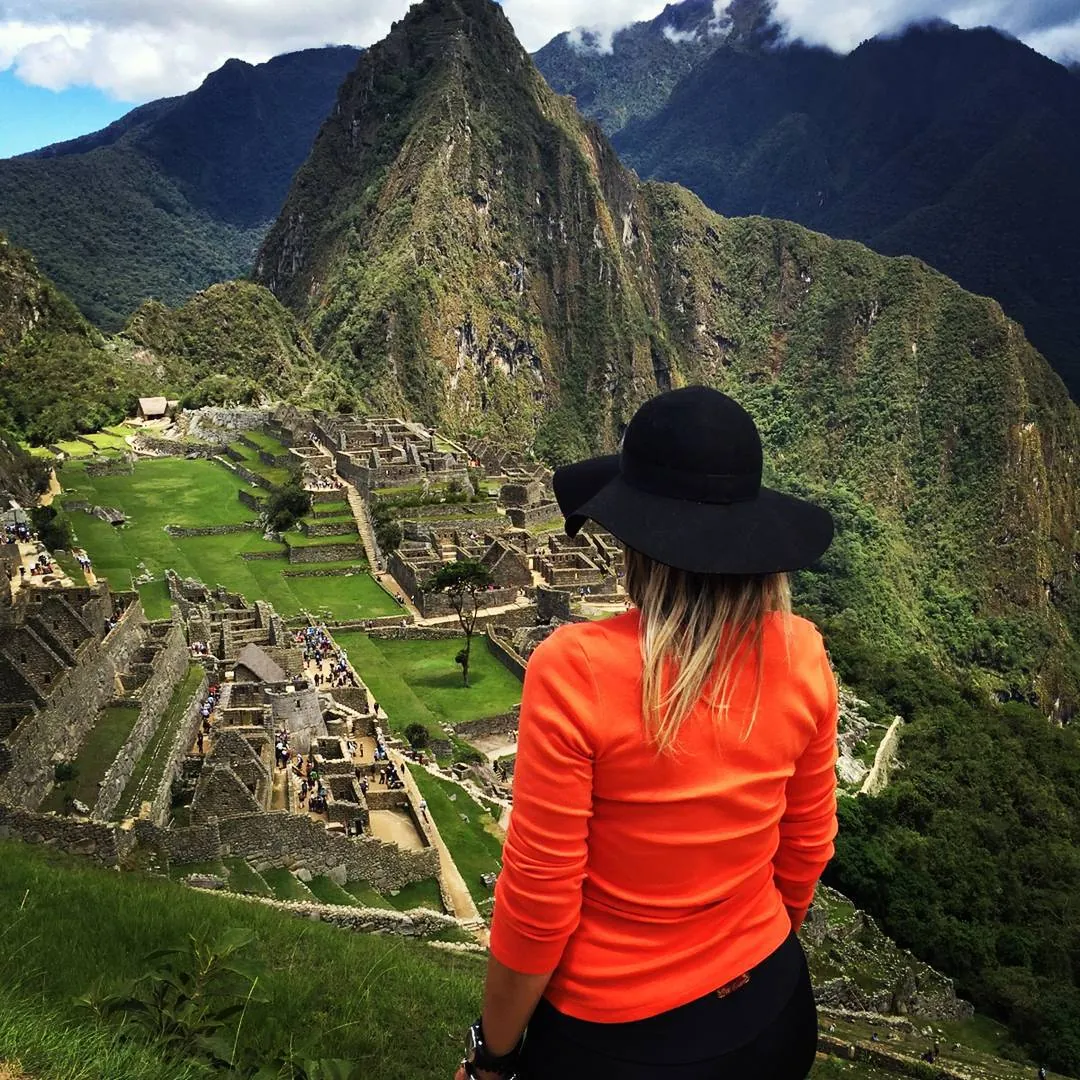
We walk down into the citadel for a guided tour of your assigned circuit, covering temples, plazas, terraces and Machu Picchu's most important spots.
Return to Cusco
After the tour you take the bus down to Aguas Calientes for lunch on your own. In the afternoon you take the train back, followed by a transfer to your hotel in Cusco.
Tips
- Spend at least two or three days acclimatizing in Cusco or the Sacred Valley before you start.
- Train with long hikes and uphill walks in the weeks before your trip.
- Bring your original passport. It must match the one on your permit.
- Wear broken-in hiking boots and pack extra socks.
- Pack layers, because nights at camp are cold and days can be warm.
- Don't forget a rain jacket, headlamp, hat, sunscreen and insect repellent.
- Carry some cash in soles for tipping the crew and for restrooms or snacks along the way.
- Book months ahead, especially for May through September, because permits sell out fast.
What's included
Included
- Pickup from your Cusco hotel and transfer to Km 82.
- Inca Trail permit and Machu Picchu entrance ticket.
- Professional Magone Viajes guide.
- Cook and porters to carry the camping gear.
- Tents, sleeping pads, dining tent and kitchen tent.
- Meals on the trek: 3 breakfasts, 3 lunches and 3 dinners.
- Boiled water to refill your bottles.
- Bus from Machu Picchu to Aguas Calientes.
- Return train from Aguas Calientes and transfer to your Cusco hotel.
Not included
- Breakfast on day one and lunch on the last day.
- Sleeping bag and trekking poles (available to rent; price on request).
- Personal porter for your belongings (optional; price on request).
- Huayna Picchu or Machu Picchu Mountain tickets.
- Tips for the crew (optional but customary).
- Travel insurance.
- Any services not listed in this program.
Frequently asked questions
How far do you hike?
About 42 km (26 miles) in total, 6 to 9 hours per day. Day three is the longest and day two is the hardest.
How hard is it?
Challenging. Dead Woman's Pass, at 4,215 m (13,828 ft), is tough because of the altitude and the climb. You don't need to be an athlete, but you should be in good shape and well acclimatized.
Do I need a permit?
Yes. You can only hike the Inca Trail with an official permit, issued in each traveler's name through a licensed operator like Magone Viajes.
How far in advance should I book?
Ideally 4 to 6 months ahead, and even earlier for the dry season. Permits are limited and can't be transferred to another name.
Where do we sleep?
At campsites set up by the crew, in two-person tents. Porters carry the tents, kitchen and food.
What do I have to carry?
Just a daypack with water, warm layers and anything you need during the day. If you want to hike lighter, you can hire a personal porter.
Are there restrooms on the trail?
Yes, there are basic facilities at the campsites and at some points along the route.
Is it open year-round?
No. The Inca Trail closes every February for maintenance and because of heavy rains.
Can I add Huayna Picchu?
Yes, if there's availability. Just ask when you book and Magone Viajes will arrange it after the tour or the following day.